| Type | |
|---|---|
| Form Factor | |
| Screen Size | |
| Display Type | |
| Display Finish | |
| Refresh Rate | |
| Touchscreen | |
| Processor | |
| Chip Configuration | |
| Graphics Type | |
| Graphics Card | |
| RAM | |
| RAM Type | |
| Storage | |
| Storage Type | |
| Configuration | |
| Color | |
| Release Year |
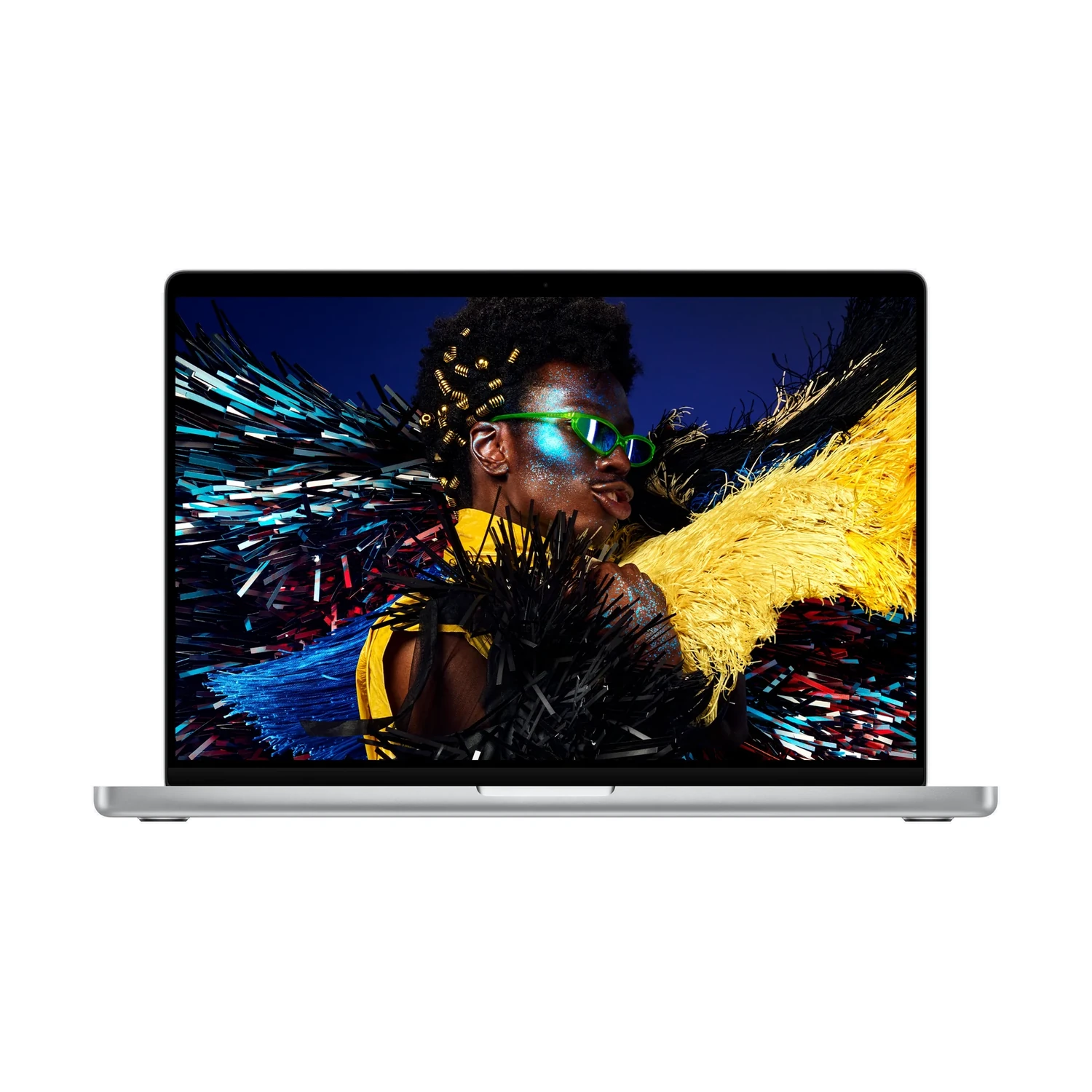
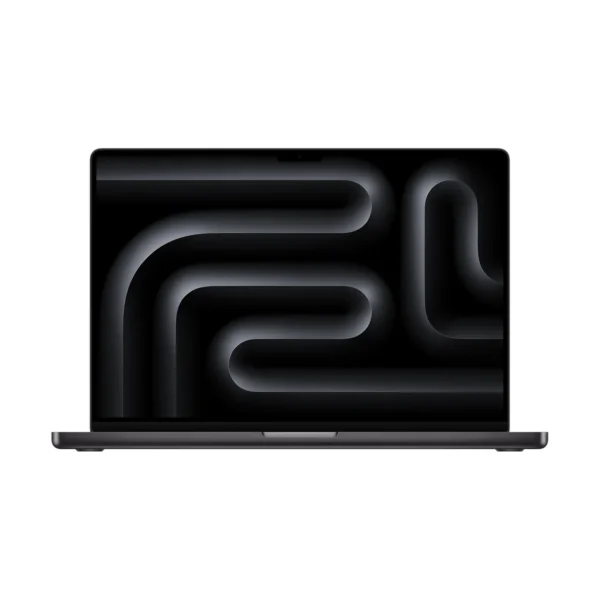
Apple MacBook Pro 16-inch (M5 Pro) Nano-texture + 48GB RAM + 1TB SSD
KShs 503,500
Price is indicative and may change when stock arrives.
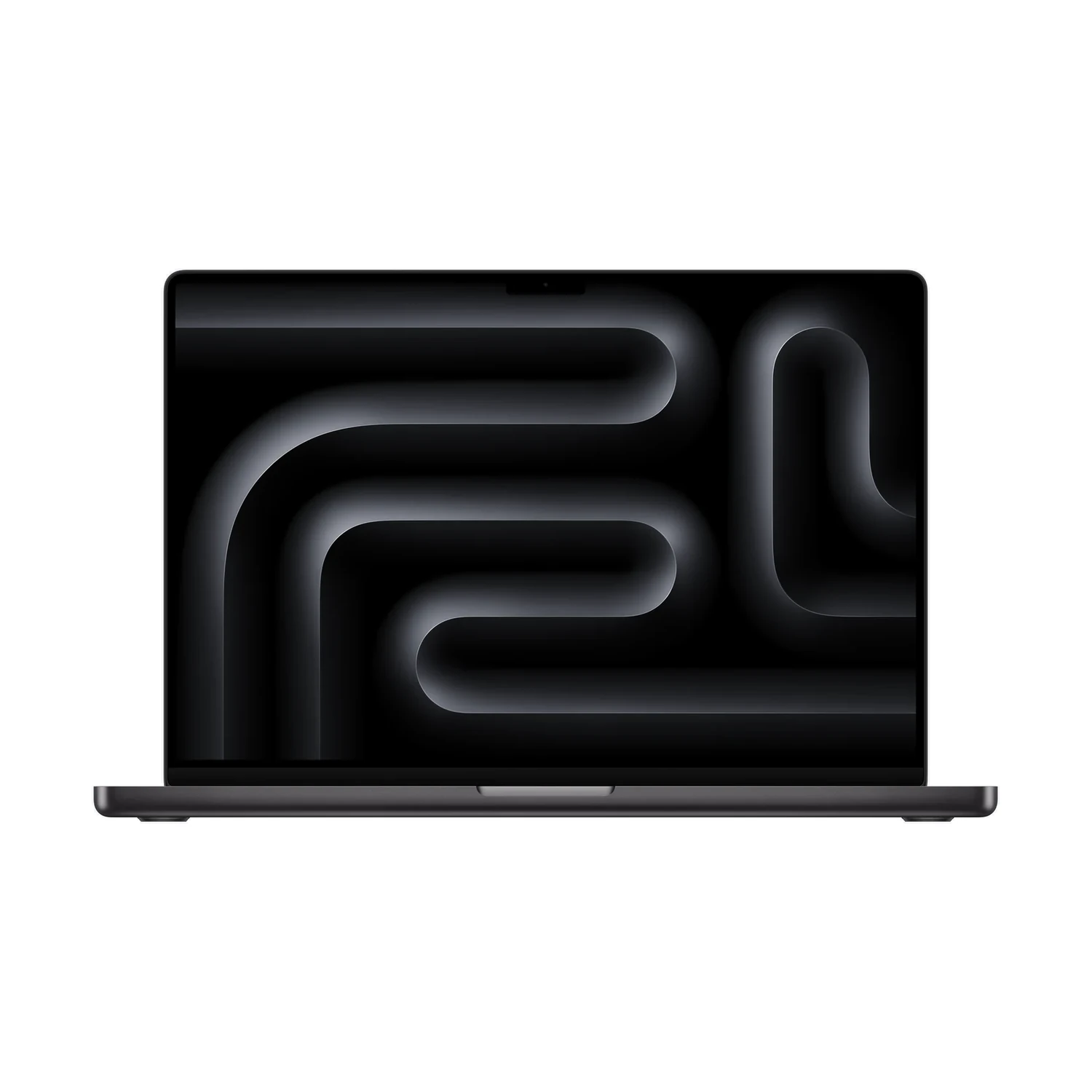
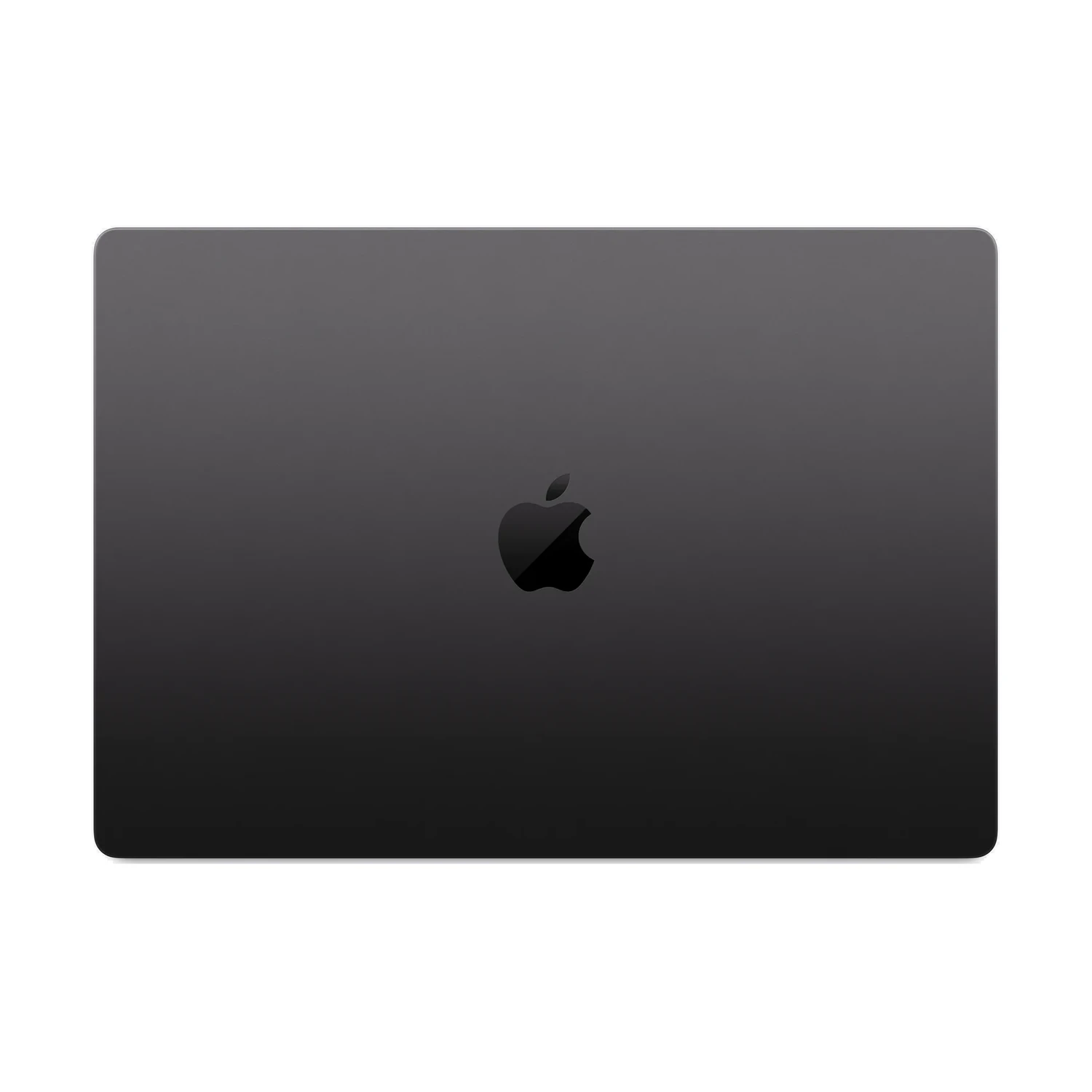
In-stock alternativesApple MacBook Pro 16-inch (M5 Pro) combines a 16.2-inch non-touch mini-LED Liquid Retina XDR display with the listed M5 Pro CPU/GPU and memory/SSD bundles. Choose Standard or Nano-texture glass for your lighting.
Get notified about another option
Choose an unavailable option and leave your details. We’ll email you when it’s available to order.
We’ll also email you when other options of this product become available, while keeping your chosen option on the waiting list. You can stop alerts from any email. Prices may change when stock arrives.
Configuration pages
Product information
Explore the details that matter.
Apple MacBook Pro 16-inch (M5 Pro) Overview
The Apple MacBook Pro 16-inch (M5 Pro) price in Kenya is KShs 503,500. This is a MacBook for people who spend their working day inside a project: editing photographs with several panels open, arranging an audio session, reviewing a video timeline or developing software alongside documentation. Its 16.2-inch Liquid Retina XDR screen gives those tools more room, while the M5 Pro processor handles demanding work in a machine you can take to a client or studio. If daily commuting matters more than a large built-in workspace, compare the Apple MacBook Pro 14-inch (M5 Pro) before choosing the larger body.
24GB or 48GB: choose memory for the work you keep open
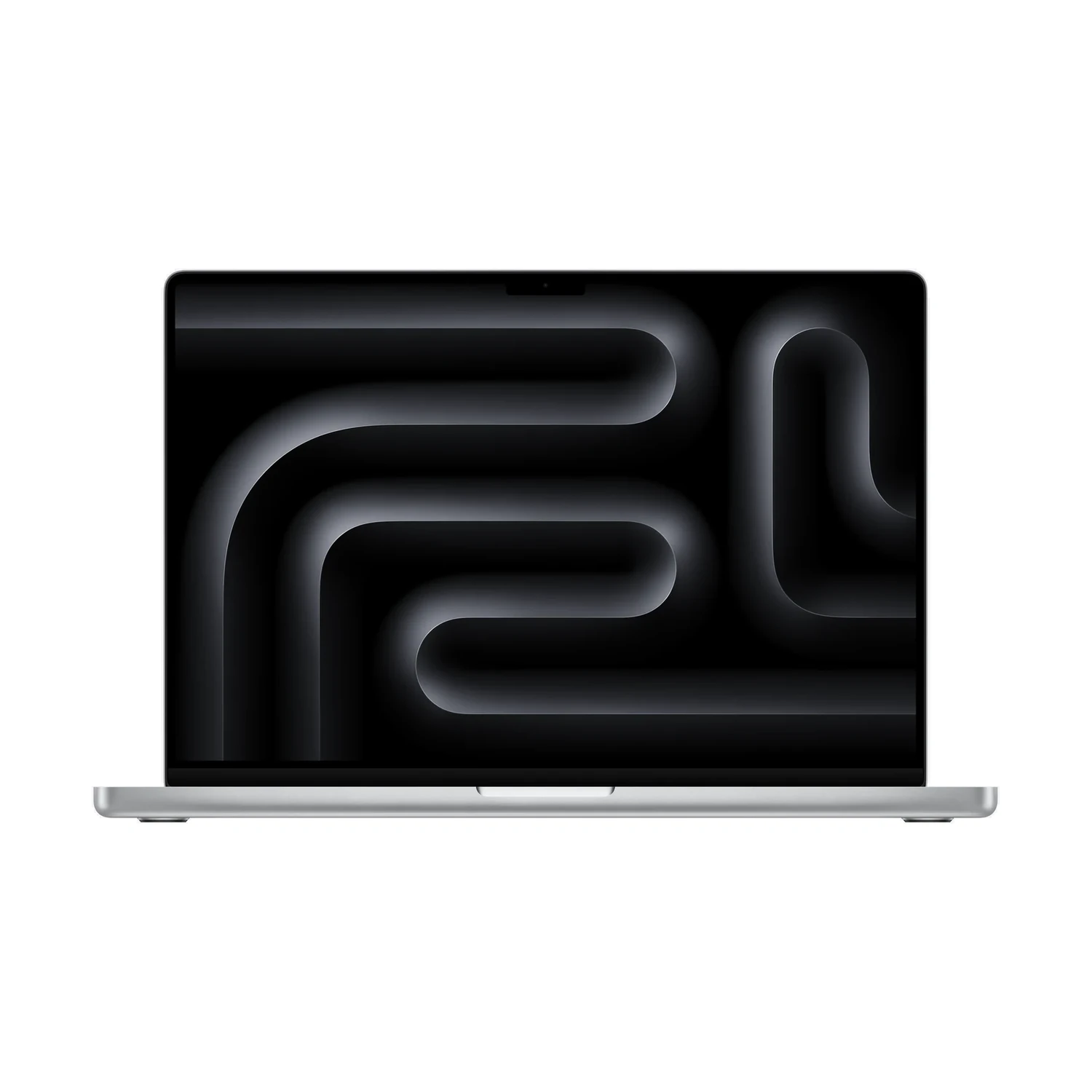
The configurations on this page pair the same 18-core CPU and 20-core GPU with a 1TB SSD. The important performance-related choice is unified memory: 24GB or 48GB. Both also have Standard and Nano-texture display-finish listings, with Silver and Space Black colour options. The glass and colour do not change the processor.
- 24GB unified memory + 1TB SSD: a sensible starting point for photography, development and editing when your projects and simultaneous applications fit comfortably within that memory. Put the saving towards a backup drive, monitor or the software your work actually needs.
- 48GB unified memory + 1TB SSD: worth considering for larger layered files, heavier multitasking, extensive sample libraries or development environments running several services. It doubles the available memory capacity, while retaining the same processor and storage capacity.
Memory holds the work your applications are actively using; the SSD holds files and installed software. Moving to 48GB does not give you more disk space, and unused memory does not automatically make a simple task twice as fast. If your present Mac regularly shows memory pressure during your normal workload, that is more useful evidence for choosing 48GB than the number of browser tabs alone. Choose the required memory at purchase rather than planning around a later RAM upgrade.
Where M5 Pro fits between everyday work and M5 Max
M5 Pro is a strong fit for someone whose paid work involves sustained processing but who does not automatically need the largest graphics configuration. Software builds, RAW photo work and video projects have different bottlenecks: some lean on CPU processing, others on graphics, memory or storage. Choose around the applications, file formats and project sizes you use, especially if you are replacing a machine that already performs well.
For graphics-heavy 3D scenes, demanding effects or workloads that can use greater graphics resources, compare the Apple MacBook Pro 16-inch (M5 Max). A Max upgrade should solve a specific limitation in your workflow. For office documents, email and light creative tasks, the Pro model’s screen and ports may matter more to you than its processing capacity.
A larger Liquid Retina XDR workspace
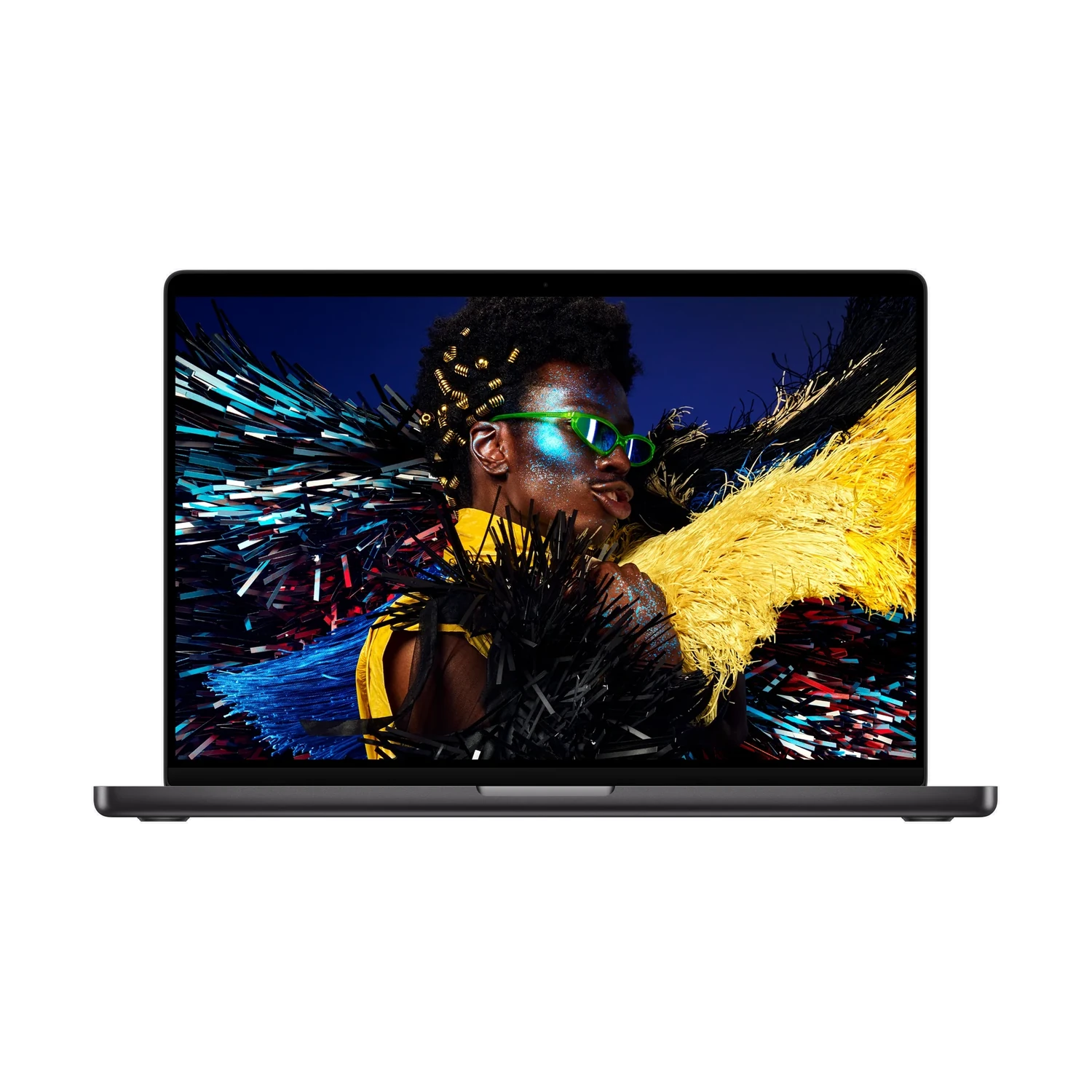
The non-touch mini-LED display has a 3456 × 2234 native resolution and ProMotion adaptive refresh up to 120Hz. That combination suits detailed images, readable interface panels and smooth scrolling. The extra screen space is especially useful when you need a preview, timeline and media browser visible together, or want source code beside a reference document without constantly switching windows.
XDR brightness supports HDR viewing and editing, but the highest brightness figures refer to specific content and conditions rather than every desktop task. Use suitable display settings and a controlled viewing environment when judging colour for delivery. A bright screen helps you see your work; it does not replace a deliberate colour workflow.
Standard or Nano-texture glass?
Standard glass is a practical choice at a desk where you can control window reflections and overhead lighting. Nano-texture is worth considering if you regularly work in bright rooms or locations where moving the screen will not solve glare. Choose it for the lighting problem it addresses, rather than expecting more processing power, a higher refresh rate or touch input.
Both finishes belong to the same Liquid Retina XDR display family. Nano-texture packages include a polishing cloth; follow Apple’s care instructions for that finish. Compare otherwise matching memory and storage configurations when deciding whether the glass option is worth the extra cost.
Ports for cameras, storage and a desk setup
Three Thunderbolt 5 ports, HDMI, SDXC, MagSafe 3 and a headphone socket cover common production connections. A photographer can import an SD card, an editor can attach fast external storage, and a presenter can connect to an HDMI screen without building every connection around a single hub. MagSafe charging also leaves the Thunderbolt ports available for accessories.
M5 Pro supports up to three external displays while the built-in display remains active. The supported combinations include three displays at up to 6K/60Hz or 4K/144Hz; higher-resolution or higher-refresh combinations have different limits. Check Apple’s official 16-inch M5 Pro specifications against the monitors, dock and cables you intend to use. An ordinary USB-C hub is not automatically a suitable three-monitor solution. USB-A accessories and wired Ethernet require appropriate adapters.
Living with the 16-inch size
At approximately 2.14kg, this is a substantial laptop before adding its charger, drives and bag. The larger footprint is rewarding when you work mainly on its own screen, but check your bag and travel setup if you move between meetings all day. A smaller laptop with a desk monitor can be the better arrangement when most detailed work happens at one fixed location.
Apple lists up to 24 hours of video streaming or 17 hours of wireless web use for M5 Pro under its test conditions. Rendering, high brightness and connected accessories can shorten that considerably. The standard charging package includes a 140W USB-C power adapter and a 2m USB-C to MagSafe 3 cable; compatible 140W or higher USB Power Delivery equipment supports fast charging. Confirm the supplied regional plug when planning your Kenya desk or travel kit.
Meetings, software and a complete working setup
The 12MP Center Stage camera, built-in microphones and speakers make it useful for project reviews without carrying a separate webcam. Touch ID provides convenient authentication, while the backlit keyboard and large trackpad support working away from a full desk setup.
Before buying for a course, office or production team, check that essential applications, plug-ins and peripherals support macOS and Apple silicon. Include professional software licences and a reliable backup arrangement in your budget. The 1TB SSD is working storage, not a backup of itself: keep a separate copy of important projects, especially before travel or client delivery.

- Apple MacBook Pro 16-inch (M5 Pro) — selected configuration and finish
- 140W USB-C Power Adapter — confirm supplied regional package
- USB-C to MagSafe 3 Cable (2m)
- Polishing cloth — Nano-texture display packages only
Pros
- M5 Pro bundles allow a focused choice around project requirements.
- Mini-LED XDR screen supports a production workspace.
- Built-in HDMI and SDXC suit common desk and camera workflows.
- Larger built-in workspace helps with multiple panels.
Cons
- Higher chip tier needs suitable applications to justify the spend.
- Large body requires more carrying and desk space.
- Display-family, glass-finish and chip names require separate choices.
Which configurations are listed for the Apple MacBook Pro 16-inch (M5 Pro)?
The listed bundles use an 18-core CPU, 20-core GPU and 1TB SSD, with either 24GB or 48GB unified memory. Standard and Nano-texture glass and Silver or Space Black finishes are listed. Each complete combination has its own ordering status.
Should I choose 24GB or 48GB unified memory?
Choose around the size of your active projects and the applications you run together. The 24GB option is a practical starting point when your workload fits comfortably; 48GB gives more room for larger projects, sample libraries or several demanding applications. More capacity is not a promise that every task runs twice as fast.
Does the 48GB version have a faster chip or a larger SSD?
No. Both listed memory tiers use the 18-core CPU / 20-core GPU M5 Pro and a 1TB SSD. The change is memory capacity, not core count or storage capacity.
Can I add more RAM after buying it?
Treat the selected unified memory as a purchase-time decision. It is not a conventional laptop with replaceable RAM modules. Choose capacity for your expected workload before ordering.
Is the 1TB SSD enough for video or photography?
That depends on the volume of source media and how many projects you keep locally. Allow room for applications, caches and exports as well as originals. External storage can hold larger libraries, but keep a separate backup of important files.
Who should choose the 16-inch model over the 14-inch M5 Pro?
Choose the 16-inch if you regularly work on the built-in screen and benefit from more room for timelines, images and panels. The 14-inch is easier to carry. Also compare exact chip and memory bundles, because the two sizes do not offer identical configurations on these pages.
When is M5 Max worth considering instead?
Consider M5 Max when your applications can use its greater graphics resources or your workflow needs capabilities beyond M5 Pro. Identify whether your current limitation is graphics, memory, media processing or storage before paying for a higher chip tier.
Is the display a touchscreen or OLED?
No. This listing is for the non-touch mini-LED Liquid Retina XDR model. Standard and Nano-texture describe the glass finish; neither turns it into a touchscreen or changes it to OLED.
What screen resolution and refresh rate does it have?
The 16.2-inch display has a 3456 × 2234 native resolution. ProMotion adapts the refresh rate up to 120Hz. The screen has rounded upper corners, so actual viewable area is smaller than the rectangular diagonal measurement.
Is Nano-texture better than Standard glass?
Nano-texture is useful where persistent reflections interfere with work. Standard glass remains a sensible choice in controlled lighting. The decision is about reflections and viewing conditions, not extra CPU performance or additional memory.
Does Nano-texture require special care?
Follow Apple’s cleaning instructions for the Nano-texture finish and use the supplied polishing cloth as directed. Do not assume a general-purpose screen-cleaning method is suitable for that glass.
How many external monitors can M5 Pro run?
It supports up to three external displays alongside the built-in screen. Apple lists three displays at up to 6K/60Hz or 4K/144Hz. Higher-resolution and higher-refresh arrangements have different limits, so verify the complete display, dock and cable setup before purchasing accessories.
Does it have HDMI and an SD card reader?
Yes. It has HDMI and an SDXC card slot, alongside three Thunderbolt 5 ports, MagSafe 3 and a 3.5mm headphone socket. These are useful for displays, camera imports, external drives and audio equipment.
Will I need a hub or adapter?
Only if your accessories need connections the laptop does not provide, or if your desk setup needs additional ports. USB-A devices and wired Ethernet require suitable adapters. Check a dock’s macOS display support rather than judging it only by the number of sockets.
How long does the M5 Pro battery last?
Apple rates the 16-inch M5 Pro for up to 24 hours of video streaming or 17 hours of wireless web use under controlled test conditions. Rendering, demanding applications, brighter display settings and connected devices can reduce runtime. These figures are not all-day rendering guarantees.
Which charger comes with the 16-inch M5 Pro?
Apple’s standard box list includes a 140W USB-C power adapter and a 2m USB-C to MagSafe 3 cable. Confirm the regional plug supplied with the selected unit. Nano-texture packages additionally include a polishing cloth.
Does it support fast charging?
Yes. Apple specifies fast-charge capability with a compatible 140W or higher USB Power Delivery source. Use suitable charging equipment and cabling; a charger with several ports may share its rated power when other devices are connected.
How heavy is the 16-inch M5 Pro?
Apple lists approximately 2.14kg, with variation by configuration and manufacturing. Allow for the charger, bag and accessories when judging the weight you will carry each day.
Is it suitable for software development or virtual machines?
It is a useful option for compatible development tools, with the memory choice depending on your services, containers, simulators and other active applications. Verify your required operating-system architecture, virtualisation software and workplace tools before buying.
Will Windows-only applications work normally?
Do not assume that they will. Check the software vendor’s macOS or Apple silicon support and any approved virtualisation route. A more powerful processor does not resolve incompatible software, plug-ins or device drivers.
Does it include professional editing software?
Do not treat the hardware purchase as including paid professional software licences. Budget separately for the applications, subscriptions and plug-ins your workflow requires.
Is a webcam needed for meetings?
The laptop includes a 12MP Center Stage camera with Desk View support, microphones and speakers. An external webcam or microphone is optional if your recording setup or meeting requirements call for different positioning or specialised equipment.
- Warranty coverage
- 1–2 years Apple warranty
The exact 1-year or 2-year coverage depends on the supplied unit. Confirm the applicable manufacturer warranty before ordering.
Pairs well with

Confirm the port, receiver and operating system.
Color: White
Original price was: KShs 20,500.KShs 20,000Current price is: KShs 20,000.


Confirm the port, receiver and operating system.
KShs 15,700
Confirm video output, cable and refresh rate.
KShs 79,500
Confirm the port, receiver and operating system.
Color: Black
KShs 15,500In-stock alternatives
Available models in this category. Compare core features and prices.
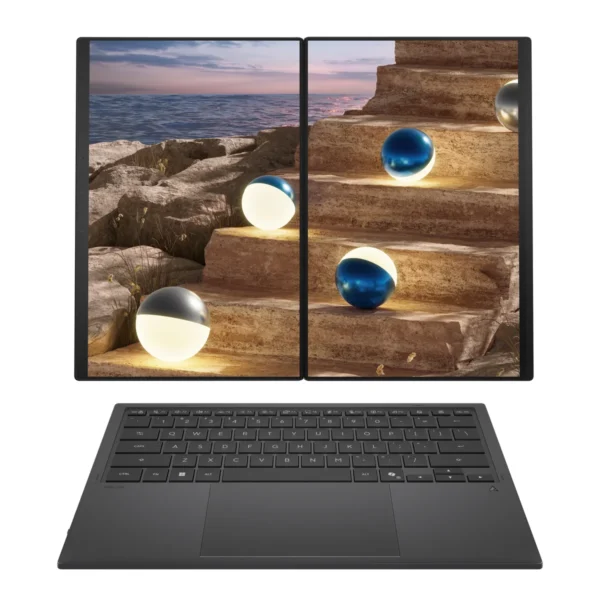
ASUS Zenbook DUO UX8407AAKShs 407,000Screen Size: 14-inch (this product: 16-inch) · Display Type: OLED (this product: Mini-LED)View product →
HP OmniBook Ultra 14-kd0000 (C2NM8AV-3)KShs 479,000Type: Everyday Laptop (this product: Creator Laptop) · Screen Size: 14-inch (this product: 16-inch)View product →
Apple MacBook Pro 14-inch (M5 Pro)KShs 338,500Screen Size: 14-inch (this product: 16-inch) · Graphics Card: Apple M5 Pro 16-core GPU, Apple M5 Pro 20-core GPU (this product: Apple M5 Pro 20-core GPU)View product →
Apple MacBook Pro 16-inch (M5 Max)KShs 551,000Processor: Apple M5 Max (this product: Apple M5 Pro) · Graphics Card: Apple M5 Max 32-core GPU, Apple M5 Max 40-core GPU (this product: Apple M5 Pro 20-core GPU)View product →