Cookie settings

Choose optional cookies. Change these any time.

EssentialAlways on for shopping

Privacy policy

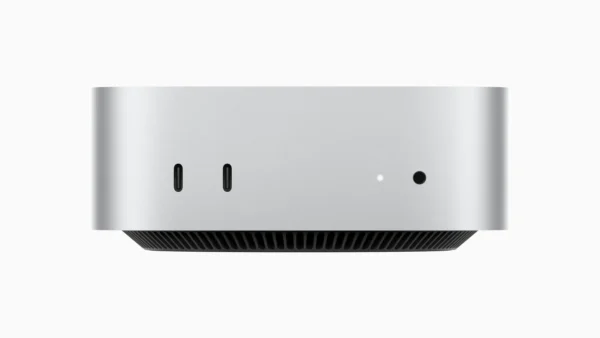
Apple Mac mini with M6 2.5 Gigabit Ethernet + 16GB RAM + 256GB SSD

Rate this product
Select a rating

KShs 127,000

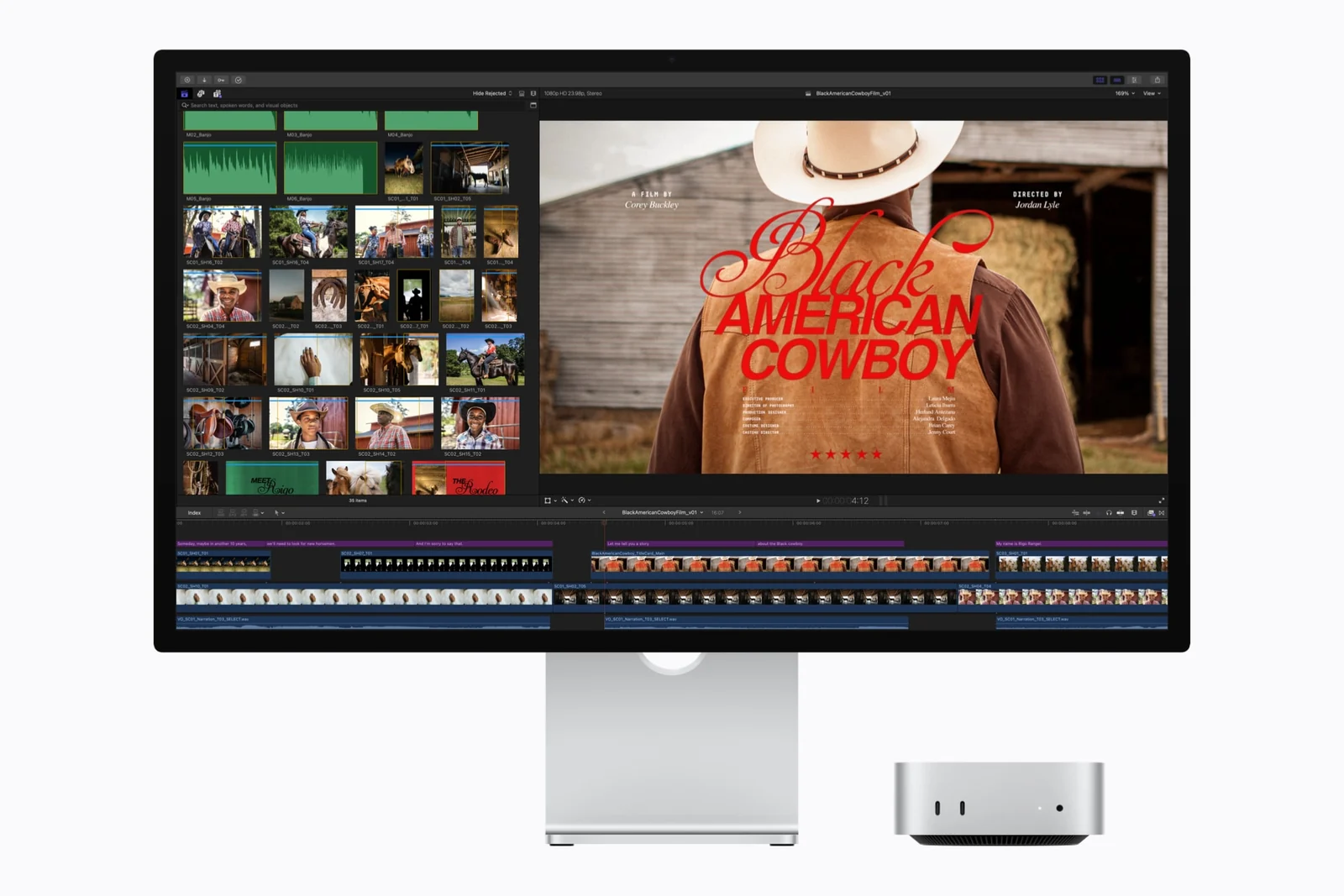
The Apple Mac mini with M6 is a compact macOS desktop with a 12-core CPU and 12-core GPU. Choose 16GB/256GB, 16GB/512GB, 24GB/512GB or 32GB/1TB, each with 2.5Gb or 10Gb Ethernet, to suit your applications, local files and network.

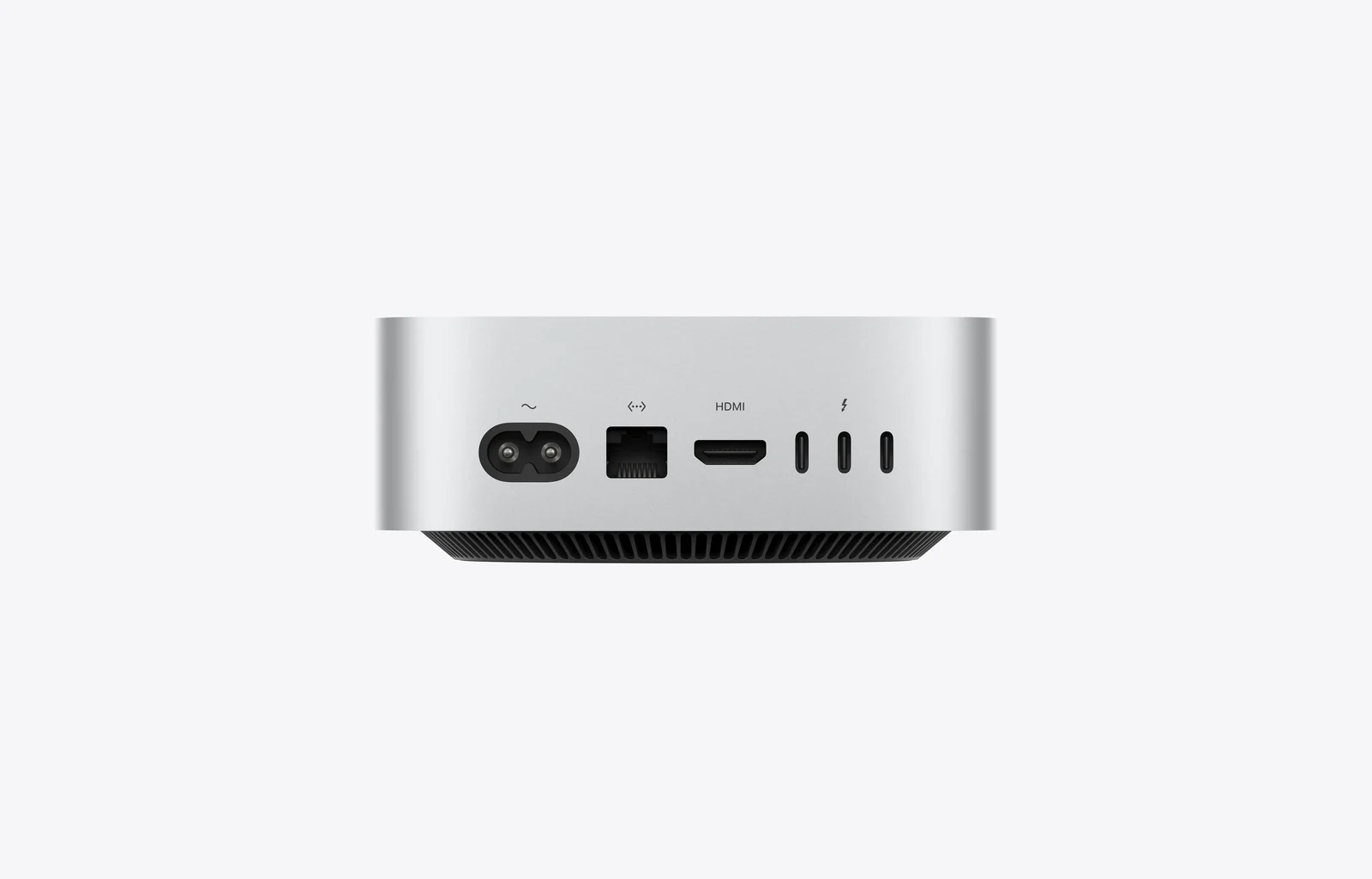
  • Three rear Thunderbolt 4 ports, HDMI and two front USB-C ports up to 10Gb/s.
  • Up to three external displays in supported resolution and refresh-rate combinations.
  • Hardware media acceleration, Wi-Fi 7, Bluetooth 6 and a 3.5mm headphone jack.
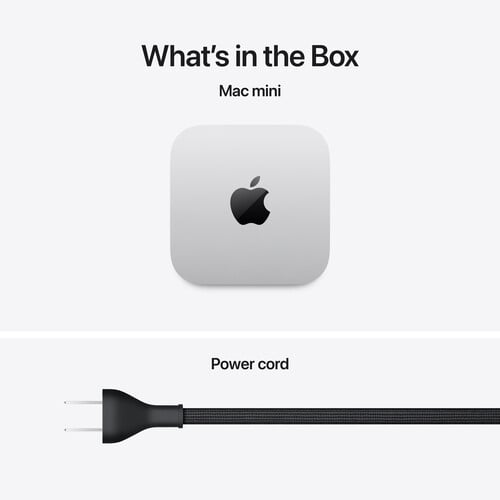
  • Includes Mac mini and 1.8m power cord; monitor, keyboard and pointing device sold separately.
Chat before paying
SKU: 11218
Warranty information1 year Apple warranty

Product information

Explore the details that matter.

Apple Mac mini with M6 Overview

The Apple Mac mini with M6 price in Kenya is KShs 127,000. This small desktop suits a home office, study space or creative desk where you want macOS and the freedom to choose your own monitor. Its 12-core CPU and 12-core GPU handle the computing side, while three rear Thunderbolt 4 ports, HDMI and front USB-C connections give you room for a practical workspace. If your projects require more processing resources, larger memory configurations or Thunderbolt 5, compare the Apple Mac mini with M5 Pro before choosing your setup.

Which memory and storage configuration should you buy?

All configurations listed here use the same M6 chip with a 12-core CPU and 12-core GPU. The differences are unified memory, SSD capacity and Ethernet. Choose around the applications you run together and the files you need to keep locally, rather than assuming the largest SSD makes the processor faster.

  • 16GB unified memory + 256GB SSD: the starting point for documents, web applications, study and a modest local file library. Budget storage carefully once macOS, applications and downloads share the drive. Cloud services or external storage can help, but should fit your internet access and backup routine.
  • 16GB unified memory + 512GB SSD: doubles the listed internal storage while retaining 16GB memory. Choose it when local files and applications are the main constraint, rather than heavy multitasking.
  • 24GB unified memory + 512GB SSD: adds working memory for a busier mix of applications, larger photo projects or development tools without increasing SSD capacity over the 16GB/512GB bundle. Apple specifies 170GB/s memory bandwidth for the 24GB and 32GB M6 configurations.
  • 32GB unified memory + 1TB SSD: the largest memory and storage bundle on this listing. It provides more room for memory-intensive applications and local projects, while keeping the same 12-core CPU and 12-core GPU. Compare its total cost with a Pro model if processing capability is your main bottleneck.

Unified memory is shared by the CPU and GPU. An external SSD can expand file storage, but it cannot add working memory. Choose sufficient memory at purchase for your expected workload and check the requirements of specialist applications, plug-ins and local AI tools.

2.5Gb versus 10Gb Ethernet: choose for your network

Each of the four memory/storage bundles has a 2.5 Gigabit Ethernet and a 10 Gigabit Ethernet option, giving eight exact configurations. The 2.5Gb connection is a practical choice for ordinary home and office networks. The 10Gb option is more relevant for a compatible NAS, shared media library or frequent large transfers between computers.

The faster port needs suitable network equipment and storage to deliver its benefit. It will not accelerate an internet connection limited by your service plan, or a transfer limited by a slow drive. The 10Gb interface supports negotiated 1Gb, 2.5Gb, 5Gb and 10Gb connections. Wi-Fi 7 and Bluetooth 6 are also included through Apple’s N1 wireless chip, with wireless availability and performance dependent on region and compatible equipment.

M6 for everyday work and creative applications

The M6 CPU combines two super cores, four performance cores and six efficiency cores. Its GPU supports hardware-accelerated ray tracing, while dedicated media hardware supports H.264, HEVC, ProRes and ProRes RAW acceleration plus AV1 decoding. These capabilities are useful for supported editing and playback workflows; performance still depends on the application, effects, footage and storage.

For a working desk, the useful question is whether your required software supports Apple silicon and the installed macOS version. Check audio interfaces, plug-ins, development environments and specialist office software before switching platforms. Apple Intelligence features also depend on supported software, language and region; do not choose a configuration on an assumption that every AI feature runs locally or is available everywhere.

Thunderbolt 4 at the rear, USB-C convenience at the front

Three rear Thunderbolt 4 ports support connections up to 40Gb/s, with USB4 and DisplayPort support. They can serve compatible displays, docks and external storage. The front has two USB-C ports supporting USB 3 up to 10Gb/s, plus a 3.5mm headphone jack with support for high-impedance headphones. Front and rear USB-C connectors therefore do not have identical capabilities.

HDMI and the selected Ethernet port sit at the rear. There is a built-in speaker, but no USB-A port or SD card reader. Add the appropriate adapter or card reader for older peripherals and camera cards, and use cables rated for the connection you need. Thunderbolt 5 is a distinction of the M5 Pro version, not a feature of this M6 model.

How many displays can the M6 Mac mini run?

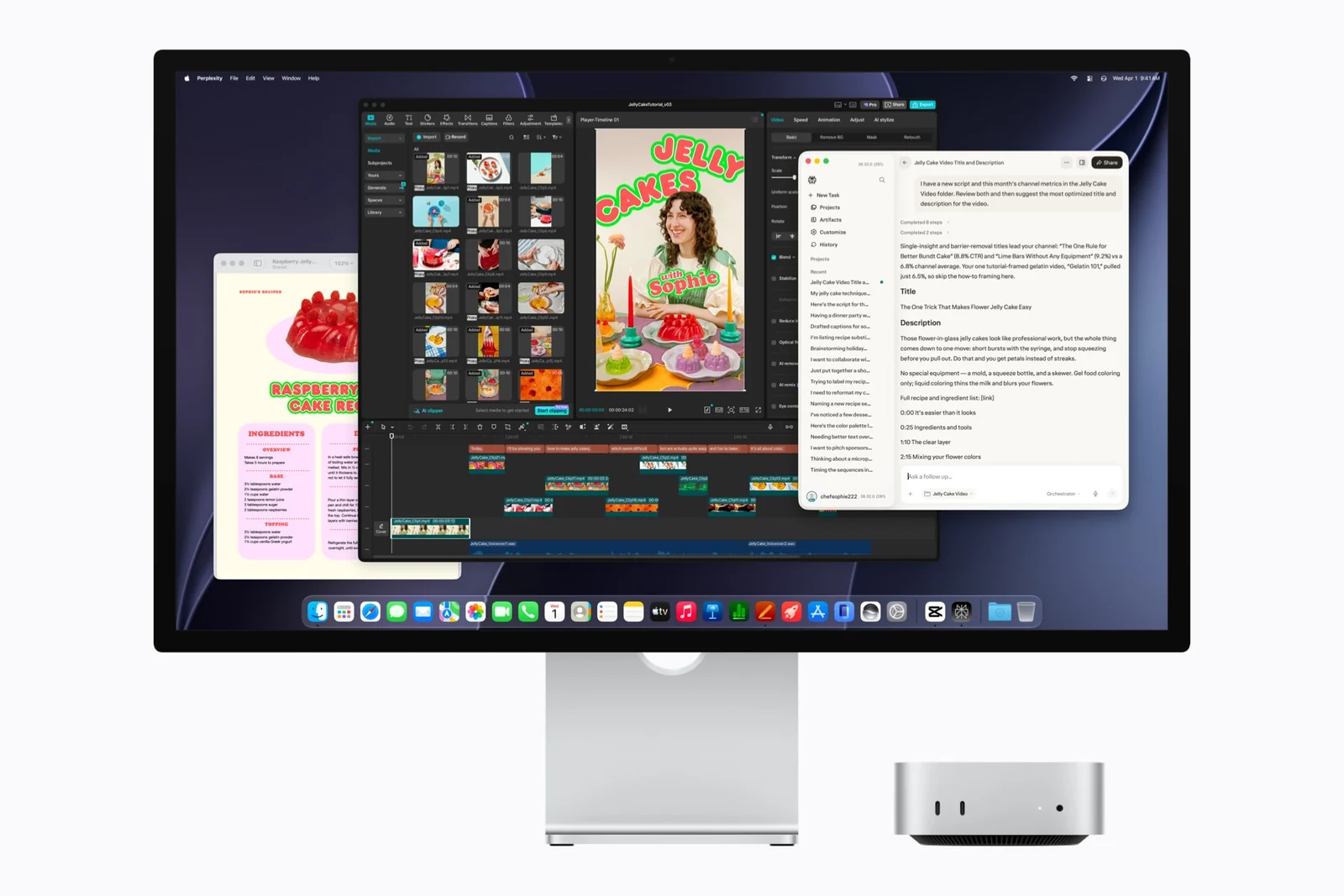
The M6 Mac mini supports up to three external displays, with limits that depend on the combination. For three screens, Apple specifies two displays up to 6K at 60Hz or 4K at 165Hz, plus a third up to 5K at 60Hz over Thunderbolt or 4K at 60Hz over HDMI. This is not the same as three simultaneous 6K displays.

In a supported two-display arrangement, one display can reach 8K at 60Hz, 5K at 120Hz or 4K at 240Hz, while the second is limited to 5K at 60Hz over Thunderbolt or 4K at 60Hz over HDMI. Match the monitor, connection and cable using Apple’s display connection guidance, especially if you want high refresh rates or a dock-based setup.

What comes in the box?

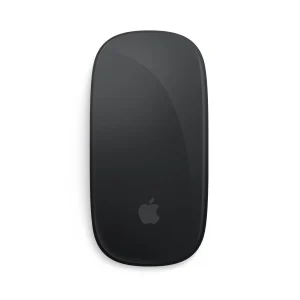
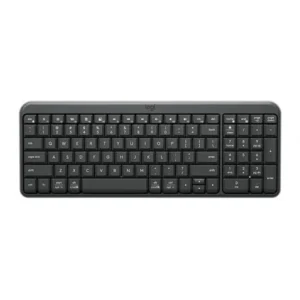
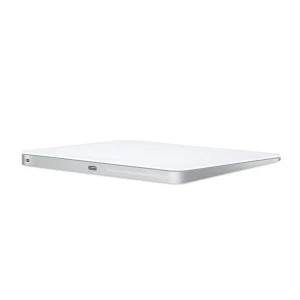
The standard package contains the Silver Mac mini in your selected configuration and a 1.8m power cord. A monitor, keyboard and mouse or trackpad are separate. The Apple Magic Trackpad USB-C is one option for macOS gestures; the Logitech K250 Bluetooth Keyboard is another accessory to consider when planning a desk. Check keyboard layout and operating-system compatibility for your needs.

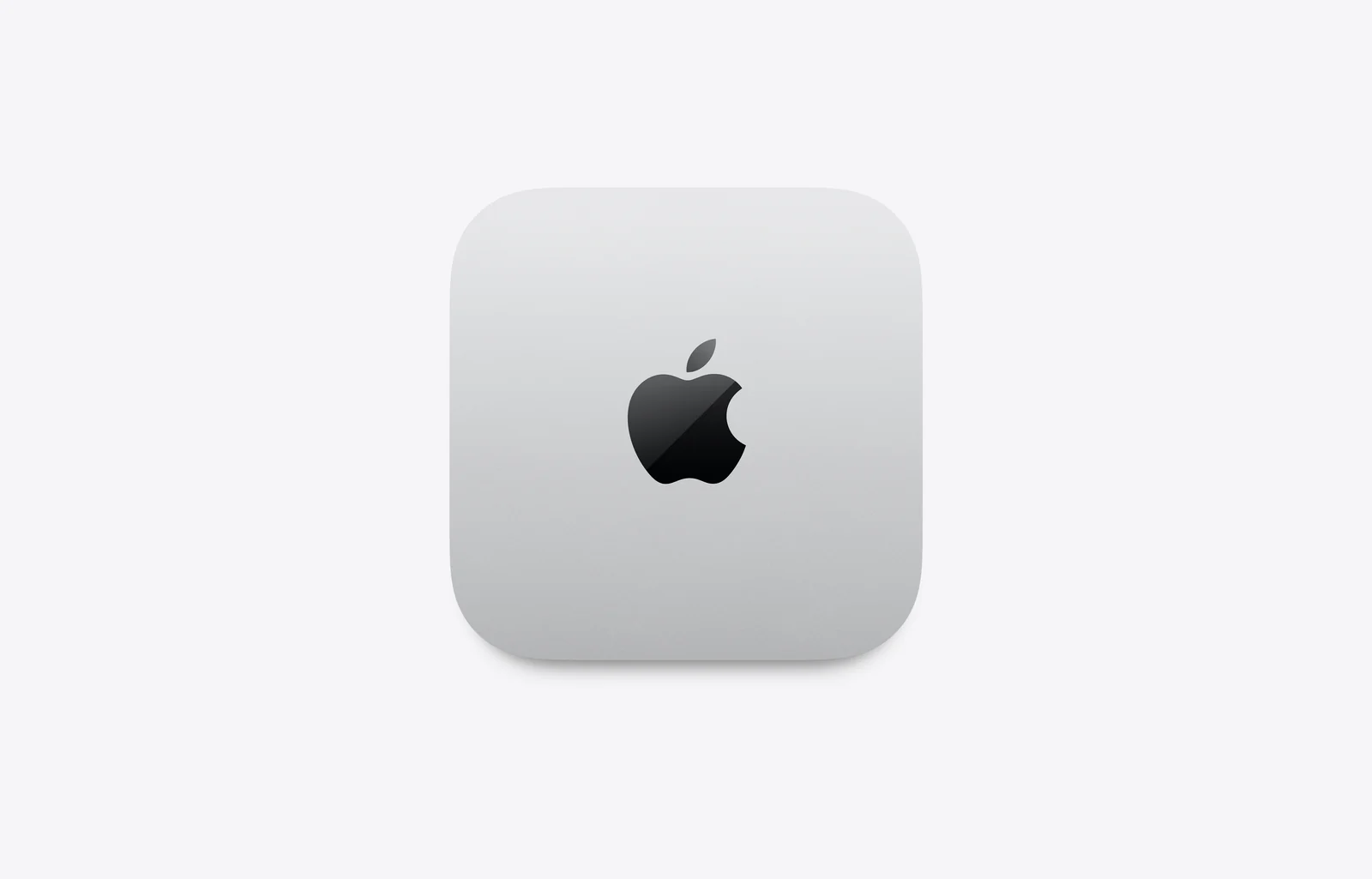
A webcam and microphone are also needed for video meetings unless supplied by connected equipment. Include a backup destination in the budget, even if you keep most documents in cloud storage. The 12.7cm by 12.7cm enclosure is 5cm high and needs mains power, with ventilation left clear.

Mac mini M6, an earlier Mac mini or an iMac?

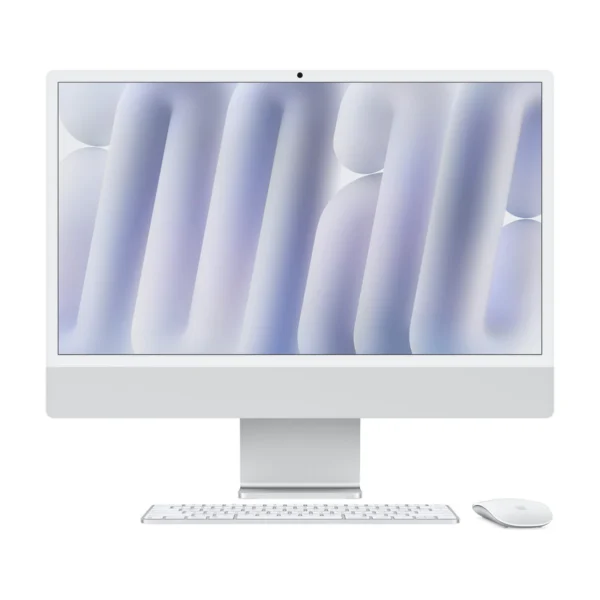
The M6 Mac mini makes sense when you want to reuse a suitable monitor or build a flexible desktop around your own accessories. Compare the Apple Mac mini with M4 if its configuration meets your requirements at a more suitable budget. For a screen built into the computer, consider the Apple iMac 24-inch M4 with two Thunderbolt ports and compare the complete setup cost.

Read Apple’s official Mac mini specifications for the M6 model’s detailed capabilities. The included product video is Arthur Winer’s independent M6 Mac mini review; its test configuration, accessories and results may differ from the option you choose.

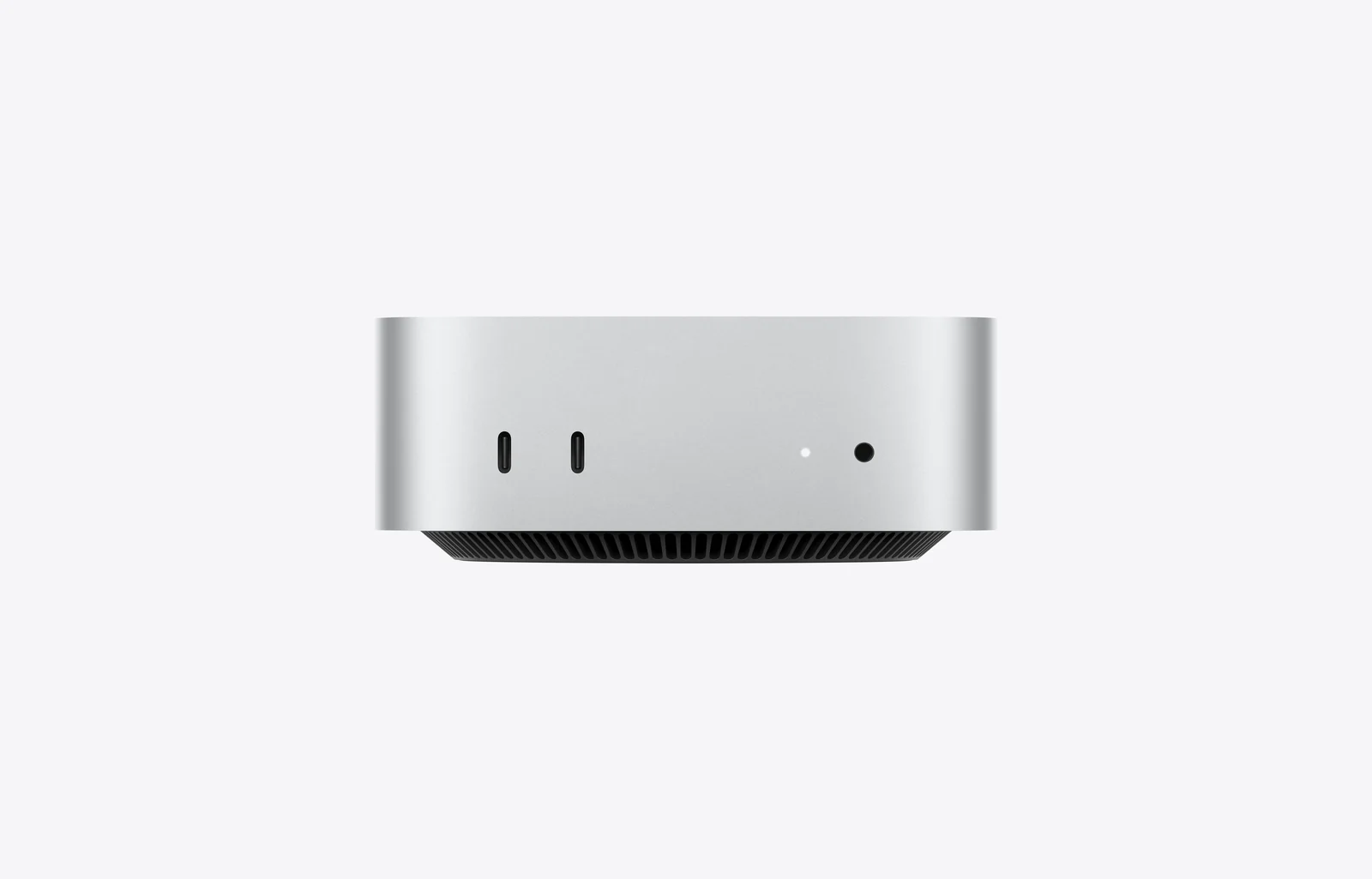
12-core CPU and 12-core GPUEvery listed configuration uses the same M6 core counts; choose memory and storage around your applications and files.
Four memory and storage bundles16GB/256GB, 16GB/512GB, 24GB/512GB and 32GB/1TB offer different balances of working memory and local storage.
2.5Gb or 10Gb EthernetEach bundle offers both network options. A compatible fast network and storage are needed to benefit from 10Gb transfers.
Three Thunderbolt 4 portsRear connections support up to 40Gb/s, while two front USB-C ports support USB 3 up to 10Gb/s.
Up to three external displaysExpand your workspace with supported Thunderbolt and HDMI combinations; the third screen has different resolution limits.
Small footprint, separate peripheralsThe 12.7cm-square desktop lets you choose your own screen, keyboard and pointing device. A 1.8m power cord is included.
  • Apple Mac mini with M6 — selected unified memory, SSD and Ethernet configuration, Silver
  • Power cord (1.8m)

Pros

  • Same 12-core CPU and 12-core GPU across all listed bundles.
  • Four memory/storage combinations make workspace planning more flexible.
  • Optional 10Gb Ethernet on every listed memory/storage bundle.
  • Three Thunderbolt 4 ports plus accessible front USB-C connections.
  • Hardware media acceleration supports compatible editing applications.
  • Supports up to three displays in a compact desktop setup.

Cons

  • Monitor, keyboard, mouse or trackpad and webcam are separate purchases.
  • The 256GB SSD needs careful storage planning; external storage does not add memory.
  • No Thunderbolt 5, USB-A ports or built-in SD card reader.
Don’t Buy the M6 Mac Mini Before Watching This (1-Month Review)YouTube ↗
Which Mac mini M6 configurations are available here?

The four memory/storage bundles are 16GB/256GB, 16GB/512GB, 24GB/512GB and 32GB/1TB. Each is offered with 2.5 Gigabit or 10 Gigabit Ethernet, giving eight exact configurations. All use a 12-core CPU and 12-core GPU.

Does choosing more memory give me a different M6 processor?

No. The listed M6 configurations retain the same 12-core CPU and 12-core GPU. More unified memory helps when your workload needs additional working space; it is not an increase in CPU or GPU core count.

Is 16GB memory and 256GB storage enough?

It can suit documents, web applications, study and a modest local file library. Allow room for macOS, applications and updates. Larger photo, video or sample libraries may justify a larger SSD or external storage, while heavier multitasking may justify more memory.

What is the difference between 16GB/512GB and 24GB/512GB?

Both have a 512GB SSD and the same M6 core counts. The 24GB version adds unified memory for larger projects or more applications working together. Apple also specifies 170GB/s memory bandwidth for the 24GB and 32GB configurations.

Who should choose 32GB memory and 1TB storage?

Consider this bundle for memory-intensive applications, larger local projects and a busier mix of tools. It is the largest bundle on this listing. If processing resources rather than memory are your main constraint, compare an M5 Pro configuration as well.

Can an external SSD increase unified memory?

No. External storage expands space for files and projects, but it does not increase the memory shared by the CPU and GPU. Choose enough unified memory when buying and use a separate backup for important files.

When should I pay for 10 Gigabit Ethernet?

It is useful for a compatible fast NAS, shared media storage or large transfers between workstations. The network switch, cables and storage must support the required throughput. For an ordinary home or office network, 2.5Gb may be sufficient.

Does 10Gb Ethernet make my internet faster?

Only if the local network connection was the limiting factor. It cannot exceed the speed of your internet plan, router or remote service. Its main benefit is headroom for transfers on a compatible fast local network.

Can the 10Gb Ethernet version connect to a slower network?

Yes. Apple lists 1Gb, 2.5Gb, 5Gb and 10Gb support for the configurable 10Gb interface. The actual connection speed is negotiated with the connected network equipment.

Does the M6 Mac mini have Thunderbolt 5?

No. It has three rear Thunderbolt 4 ports supporting up to 40Gb/s. The Mac mini with M5 Pro has Thunderbolt 5; that specification should not be applied to the M6 model.

Are the front USB-C ports the same as the rear ports?

No. The two front ports support USB 3 up to 10Gb/s. The three rear USB-C connectors support Thunderbolt 4, USB4 and DisplayPort. Choose the port and cable for the device you are connecting.

Can the M6 Mac mini run three monitors?

Yes, in supported combinations. Apple specifies two screens up to 6K/60Hz or 4K/165Hz, plus a third up to 5K/60Hz over Thunderbolt or 4K/60Hz over HDMI. It does not promise three simultaneous 6K screens.

Can it drive an 8K display or a 4K 240Hz monitor?

Apple supports one display at up to 8K/60Hz, 5K/120Hz or 4K/240Hz within supported two-display arrangements. The second display is limited to 5K/60Hz over Thunderbolt or 4K/60Hz over HDMI. Check the monitor, cable and connection together.

Is it suitable for photo and video editing?

It can support compatible creative applications, with hardware H.264, HEVC, ProRes and ProRes RAW acceleration plus AV1 decoding. Choose memory and storage for your project sizes. Effects, codecs and software support influence results, so demanding workflows may warrant comparison with M5 Pro.

Does it include Wi-Fi and Bluetooth?

Yes. Apple specifies Wi-Fi 7, Bluetooth 6 and Thread networking through its N1 wireless chip. Availability and performance depend on region, compatible equipment and conditions.

Does it have USB-A ports or an SD card reader?

No. Use a suitable adapter or hub for USB-A peripherals and a compatible reader for SD cards. Check speed and operating-system support when selecting accessories.

What is included in the box?

The Silver Mac mini in the selected configuration and a 1.8m power cord. A display, keyboard, mouse or trackpad, webcam and external storage are separate purchases.

What do I need for video calls?

You need a suitable display, webcam and microphone, plus your chosen input devices and internet connection. A connected display or webcam may provide some of these features, but the standard Mac mini box does not include them.

Does it have a speaker and headphone jack?

Yes. It includes a built-in speaker and a 3.5mm headphone jack with support for high-impedance headphones. HDMI also supports multichannel audio output to compatible equipment.

Will my Windows applications work on it?

Check the application’s supported operating systems and Apple silicon requirements. A Windows-only application should not be assumed to run natively in macOS. Any alternative application or virtualisation solution needs its own compatibility check.

Does the Mac mini run on a battery?

No. It is a mains-powered desktop supplied with a 1.8m power cord. Apple lists 100–240V AC at 50–60Hz. Keep ventilation clear and arrange suitable backup power separately if needed.

What does the product video show?

The video is Arthur Winer’s independent one-month M6 Mac mini review. It is not an Apple promotional video. Its configuration, accessories and test results may differ from the exact bundle selected here.

Within NairobiSame-day delivery for available products. Timing depends on order confirmation, location and courier availability.
Outside NairobiGenerally next-day delivery; remote locations may take longer.
Delivery chargesCalculated separately based on destination, package and courier. Confirmed before dispatch.
Read our Delivery & Shipping Policy
Warranty coverage
1 year Apple warranty

Brand warranty terms depend on the exact unit, supplier and service region. Keep the purchase invoice and confirm coverage and exclusions at checkout.

Apple AirPods 5
EarbudsApple AirPods 5

Check model, connections and included items.

KShs 23,000
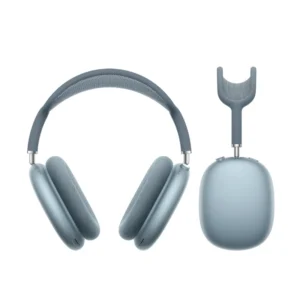
AirPods Max (USB‑C)
HeadphonesAirPods Max (USB‑C)

Check model, connections and included items.

Color: Blue

KShs 66,500
Apple Magic Trackpad (USB-C)
MiceApple Magic Trackpad (USB-C)

Check operating-system and connector support.

Color: White

Original price was: KShs 20,500.Current price is: KShs 20,000.

Similar products selected by their core specifications and price.

Browse category →